







Search Results for: Ice Stone alternative
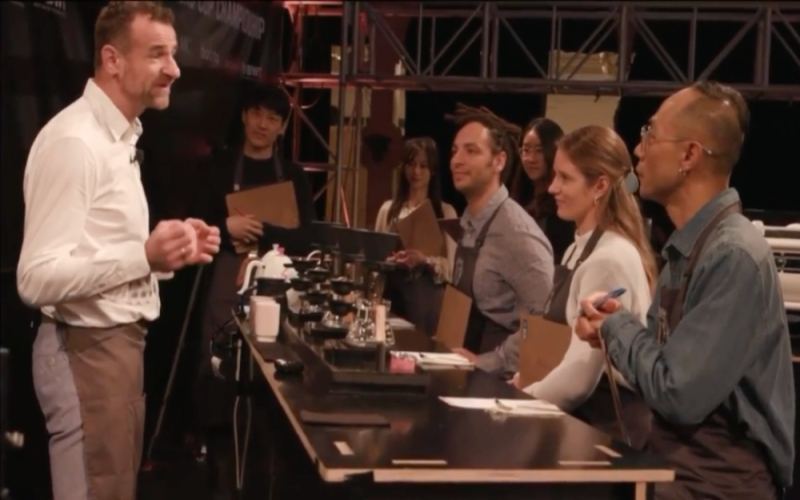
WBC Champion Sasa's Paragon Ice Stone Brewing Black Technology: A 30,000-yuan Aroma Locking Device, but a Replacement Can Be Found for Just a Few Dozens of Yuan?
2015 WBC champion SaSa Sestic returned as runner-up in the 2022 Australian Brewers Cup, bringing with him a brand-new brewing device called the Paragon—a specially made ice rock mounted in the middle of the dripper to lock in the volatile aromatics in the coffee liquid. According to Sasa, this invention is the result of collaborative research with Professor Jahan and the Swiss Coffee Center of Excellence, and it can capture up to 40% extra aromatics through rapid cooling during the first and middle stages of extraction. However, the official price of this brewing stand plus metal ice rock is as high as $4,292, equivalent to more than 30,000 RMB, which has sparked a lot of discussion among coffee enthusiasts. Bloggers on YouTube have already begun hands-on testing and found that its core component is similar in principle to the food-grade stainless steel ice cubes commonly seen in bars, while similar products on Taobao cost only a few dozen yuan. So what exactly makes this ice rock so special? When brewing the same Geisha with a V60 paired with the Paragon versus a plain V60, the TDS rises from 1.27 to 1.37—what differences are there in flavor performance? This article will explain it all in detail for you. [more…]

Sasa Sestic Returns to the Brewing Competition Arena: A Full Breakdown of the Ultra-Long Carbonic Maceration Geisha and the Ice-Stone Brewing Black Technology
2015 WBC Italian Champion Sasa Sestic returns to the competition stage after seven years. This time, he brings an experimental batch of Geisha from Iris Estate, a farm he created together with Jamison Savage, owner of Deborah Estate in Panama, to compete in the 2022 Australian Coffee Brewers Cup. This coffee professional, who has delved deeply into carbonic maceration for many years, chose to hold back in an era when anaerobic fermentation swept the competition scene, studying regional terroir and volatile compounds, and using his original Paragon brewing method and ice-stone aroma-locking technique to showcase the candy-like sweetness of an ultra-long macerated Green Tip Geisha. This article will provide a complete analysis of his brewing approach, staged pouring parameters, and flavor performance, with a recommendation from Front Street Coffee at the end. [more…]
Nicaragua Finca La Tormenta Natural Maragogype: Variety Origins, Growing Region Characteristics, and Pour-Over Flavor Analysis
The Maragogype Natural from Nicaragua's Finca La Tormenta is a giant bean variety that has attracted much attention in the specialty coffee world. Starting from a practical pour-over plan, this article provides specific parameters: 15g of coffee, medium grind, 88-89°C water temperature, 1:15 coffee-to-water ratio, and a 2-minute extraction. It also sorts out the botanical origins of Maragogype—originating from Maragogipe County in Bahia, Brazil, established as a classification in 1870, belonging to an Arabica-derived hybrid, with beans reaching more than three times the size of ordinary coffee beans. The article also introduces the distribution of Nicaragua's four major producing regions, the SHG highest grade of the Segovia region, and the body and fragrance brought by volcanic fertile soil and shade growing, and explains in detail the pineapple, winey, stone fruit, caramel, and roasted nut flavor layers of this natural bean from Finca La Tormenta, as well as Front Street Coffee's roasting and product information. [more…]

Luckin partners with JoJo's Stone Ocean to launch a collaborative new product, a look back at recent cross-industry collaborations by coffee and tea beverage brands.
Luckin Coffee officially announced on September 23 a collaboration with *JoJo's Bizarre Adventure: Stone Ocean* for October, launching themed events across its nationwide stores. This is not Luckin's first crossover; previous partnerships with Coconut Palm and EDG both sparked heated discussion. Looking across the coffee and tea beverage sector, Manner's collaborations with Helena Rubinstein and LV, Heytea's tie-in with *A Dream of Splendor*, and Nayuki's partnership with *Love Between Fairy and Devil*—brand co-branding has become an important strategy for breaking fixed impressions and achieving customer base complementarity. This article reviews several recent typical cases and includes Front Street Coffee's professional communication channels for coffee enthusiasts to gain deeper insight into industry trends. [more…]
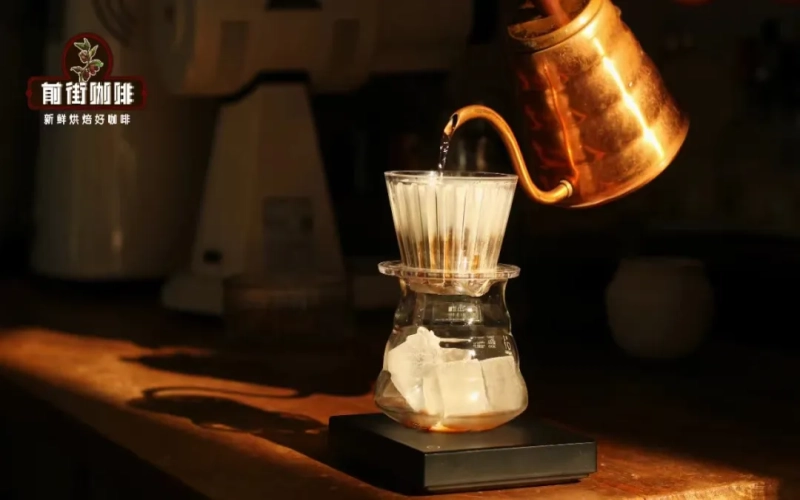
How to Make Iced Pour-Over Coffee: A Detailed Guide to Coffee-to-Water Ratios and Stainless Steel Ice Cube Alternatives
Want to enjoy a refreshing glass of iced pour-over coffee but worry that melting ice will dilute the flavor? This article focuses on making iced pour-over, with an emphasis on explaining why you need to adopt a "high concentration, low extraction" approach to redesign your brewing parameters, and offers specific coffee-to-water ratio recommendations. It also discusses whether stainless steel ice cubes can replace regular ice, along with related product recommendations from Front Street Coffee. Whether you're a beginner just getting into pour-over or a seasoned enthusiast looking to refine your summer iced coffee recipe, you'll find practical solutions here. [more…]
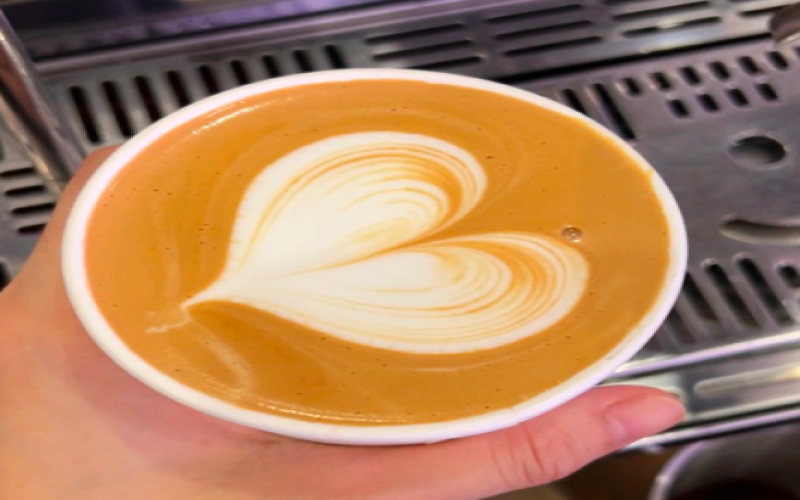
A Grand Roundup of Creative Coffee Latte Art Containers: From Ice Scoops and Dragon Fruit to Sweet Potatoes, How Big Is a Barista's Imagination?
Latte art has always been regarded as a fundamental skill for baristas. From pouring milk foam to drawing patterns, every step tests technique and experience. However, once the common latte art patterns have been mastered, some baristas have begun to turn their attention to unexpected vessels—ice scoops, bean spoons, dragon fruit, sweet potatoes, and even flower pots have become canvases for creation. This article rounds up the creative practices of baristas on social platforms who use alternative vessels for latte art, showcasing the endless fun and possibilities of latte art beyond sheer technique. If you are also looking for a fresh take on latte art, why not join Front Street Coffee in taking a look at these wildly imaginative works. [more…]
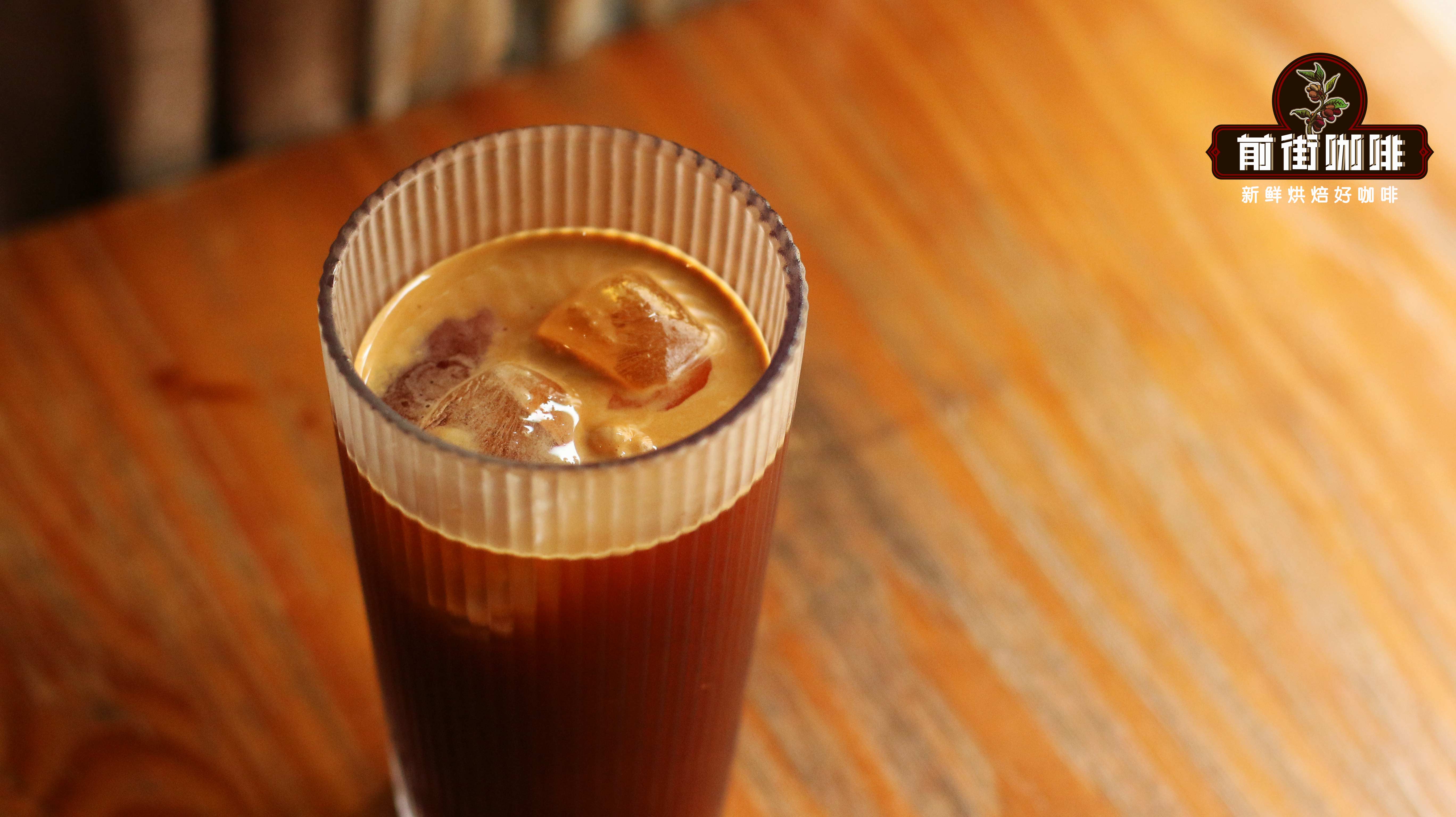
Must Iced Americano Be Made with an Espresso Machine? Classic Recipe, Pour-Over and Drip Bag Alternatives, and Ideal Drinking Temperature
Can a refreshing glass of iced Americano really not be made without an espresso machine? This article first gives the standard answer and the classic method: use Front Street Coffee's classic blend to extract a double shot of espresso, then pour it into an ice-water mixture, and it's done in three steps. For those who don't have a coffee machine at home, the article analyzes the difference between iced coffee made by pour-over or drip bags and a true Americano, and recommends Front Street Coffee single-origin beans suited to making iced coffee according to three styles: fruity, balanced, and full-bodied. In addition, it also covers the benefits of Americano such as aiding digestion, reducing water retention, and helping burn fat, along with drinking reminders, and gives the optimal tasting temperature for dark roast, medium roast, and light roast respectively, helping you get the best flavor out of every cup of Americano. [more…]

Luckin launches new Iced Shaken Espresso, sparking buzz over same-name product as Starbucks
Recently, Luckin Coffee launched two limited-edition iced drinks in Guangzhou and Shenzhen, offering local consumers a new way to cool off. However, the naming of the new products sparked widespread discussion: the Guangzhou versions are called "Coconut Shakerato" and "Vanilla Shakerato," while the Shenzhen versions are simply called "Coconut Iced Shaken Espresso" and "Vanilla Iced Shaken Espresso." This inevitably brings to mind the "Iced Shaken Espresso series" on the Starbucks menu. The two are quite similar in preparation method and product positioning, but their prices differ greatly. Is Luckin's new product trying to keep up with Starbucks? How do consumers view this affordable alternative? This article will provide a detailed analysis for you. [more…]

Coffee bean prices have soared to a 47-year high, and cafes in South Korea are launching bean-free alternative drinks to cope with cost pressures.
Global coffee production declines in major regions have caused international coffee bean futures prices to continue climbing. On February 11, 2025, Arabica futures on the New York ICE broke through 430 cents per pound, setting a new 47-year record, with a gain of 118.57% over the past year. Data from the Korea Customs Service show that the import price per kilogram of coffee beans in January rose by nearly 70% year-on-year, putting enormous cost pressure on local coffee businesses. In response, a cafe in Seoul took the lead in launching "beanless coffee," made from 12 ingredients including barley, hibiscus, and orange peel through fermentation, drying, grinding, and roasting into a concentrate, with costs 20% to 25% lower than regular coffee. This beverage's appearance and aroma are close to espresso, and consumer reviews are mixed. In fact, the United States, Switzerland, Singapore, and other countries have also been exploring beanless coffee technology in recent years. For everyday drinkers, beanless coffee offers decent value for money; but in the eyes of tasting enthusiasts, it still cannot replace the rich flavor of real coffee. Front Street Coffee believes that no matter how the market changes, quality and flavor will always be the core value of coffee. [more…]
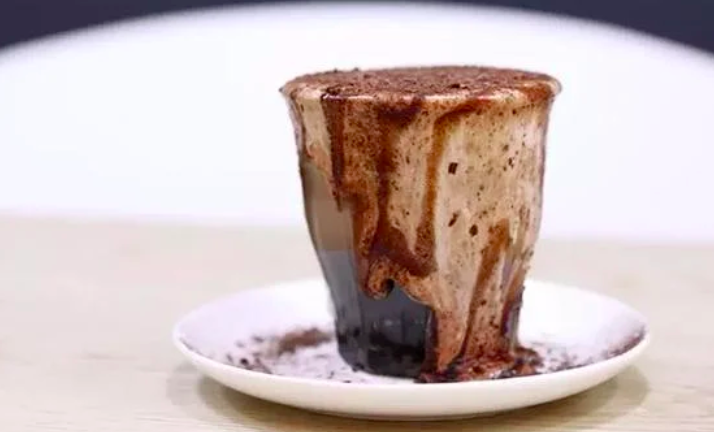
The Correct Way to Drink a Dirty Coffee | How Do You Make a Dirty with Distinct Layers? Does the Shape of the Cup Affect the Taste and Mouthfeel of a Dirty Coffee?
In recent years, a type of iced milk coffee called Dirty has become increasingly popular. The warm, rich espresso on top blends with the sweet, delicious cold milk, creating a unique mouthfeel of alternating hot and cold. Its photogenic good looks are an added bonus, and many cafés have added it to their regular menus. What is Dirty coffee? [more…]

From Grinding to 8 Hours of Refrigeration: A Complete Illustrated Guide to Making Cold Brew Coffee and a Detailed Explanation of the Coffee-to-Water-to-Ice Ratio
Following yesterday's sharing of the cold brew coffee method, today we turn our attention to the more challenging ice drip coffee. Compared to the simple soaking of cold brew, ice drip demands more attention to equipment, steps, and time investment, requiring more patience and meticulous operation. This article will use a combination of text and images to fully demonstrate the entire process of ice drip coffee, from equipment preparation, filter paper placement, coffee bed moistening, ice-water ratio, to drip rate control and refrigerated maturation, and will explain the 1:6:6 ratio of coffee powder to water to ice used this time and the Front Street recommended Honduras Sherry bean. Even without specialized ice drip filter paper, there is an alternative cutting solution. Follow the steps, and after a long wait, you can enjoy a cup of ice drip coffee with distinct layers. [more…]
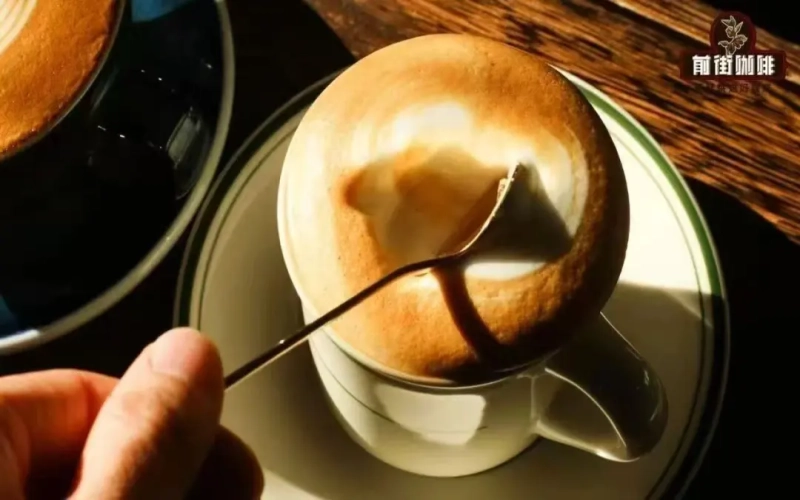
Easily Make Cappuccino at Home: A Complete Guide to Espresso Extraction and Thick Milk Foam, Master Hot and Iced Drink Steps at Once
As a classic representative of Italian milk coffee, cappuccino is deeply loved for its rich, mellow, dense, and smooth taste. Although it has similar ingredients to a latte, the differences in ratio and milk foam thickness bring a completely different taste experience. In this article, Front Street will share in detail how to make a delicious cappuccino at home, covering how to obtain espresso (coffee machine or moka pot alternatives), various ways to froth thick milk foam (electric frother, French press), and the specific assembly steps for hot cappuccino and iced cappuccino. It also recommends two coffee beans, Front Street Classic Blend and Grana Geisha SOE, to help you perfectly recreate the traditional Italian flavor at home. [more…]
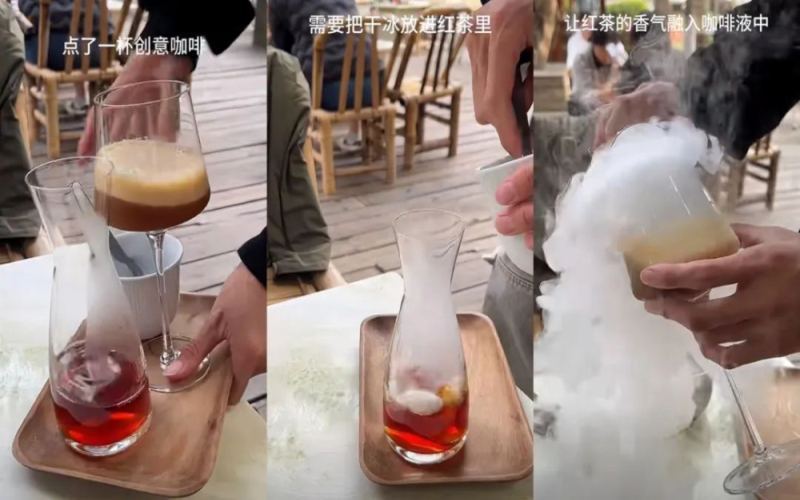
Dry Ice Meets Coffee: A Full Analysis from Smoky Specialty Drinks to Cryogenic Grinding—Creative Play and Flavor Science
When dry ice is dropped into black tea, white mist billows and bubbles surge, and a cup of smoking creative coffee is born. This presentation style, which appeals to both sight and smell, is sparking a new wave in the coffee world. From Hong Kong champion barista's Amber Coffee Brewery, to the extraction technique of freezing coffee beans before grinding, to the unconventional trick of using dry ice instead of ice cubes during pour-over, the applications of dry ice in coffee are far more diverse than one might imagine. This article walks you through the principles and flavor logic behind these creative operations, and shows how baristas use modern technology to give a cup of coffee a richer layered expression. [more…]
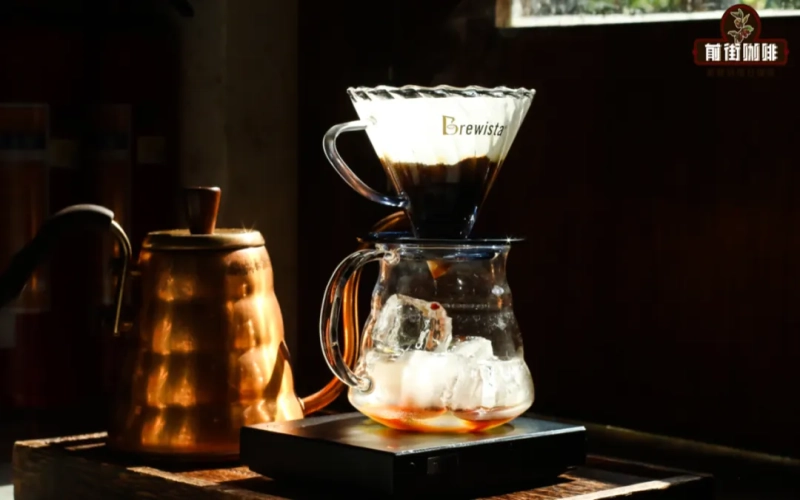
An Analysis of the Price Difference Between Iced and Hot Coffee, and the Complete Method for Japanese-Style Iced Pour-Over
Why is iced coffee often more expensive than hot coffee? Drawing on Front Street Coffee's production experience, this article sorts out two core questions about iced pour-over coffee: how to determine the coffee-to-water-to-ice ratio, and what difference adding ice first versus adding ice later makes. It also introduces the types of coffee beans suitable for making iced pour-over and gives Front Street's specific recommended products, including Yirgacheffe G1, Huakui, Cherry Tomato, Butterfly, Xizhua, and Strawberry Candy. The article also explains the need to adjust the grind size, as well as two alternative cooling methods—the over-ice method and the ice-bath cooling method—making it a useful reference for coffee enthusiasts to put into practice. [more…]
What kind of coffee dessert is Affogato? A complete tutorial on the authentic Italian method and espresso extraction
When you want both coffee and ice cream after a meal, Affogato satisfies both cravings perfectly. This classic Italian dessert looks simple to make, but behind it lie the differences between Italian gelato and American-style ice cream, the extraction parameters for espresso, and moka pot alternatives. This article starts with the definition of Affogato, explains gelato's characteristics in fat content, air content, and serving temperature, then presents common ways coffee shops serve it, and offers two home preparation paths using espresso and a moka pot. Finally, it includes Front Street Coffee's recommended blend beans and extraction advice, helping you make an Affogato at home with a texture close to tiramisu. [more…]
A Review of Specialty Drip Bag Coffee Brands: From Japanese Invention History to Pour-Over Alternatives, with Seven Front Street Coffee Origin Flavor Recommendations
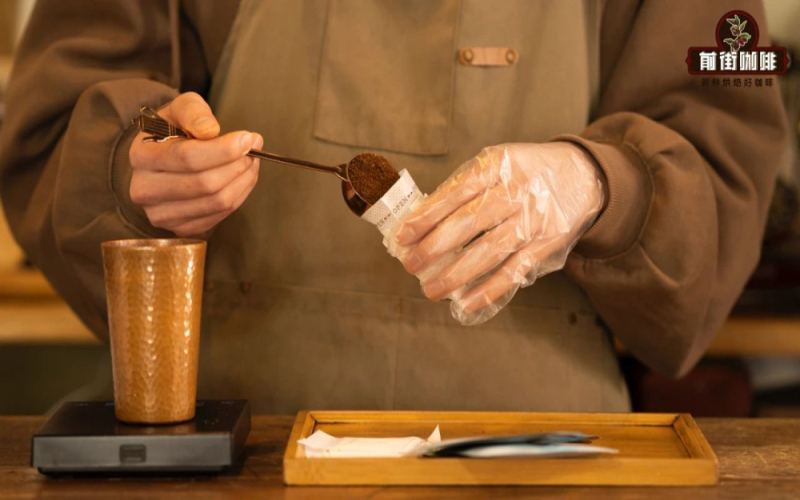
Drip bag coffee has become the daily go-to for many coffee lovers thanks to its convenience and flavor profile that comes close to pour-over. This article begins with the origins of drip bag coffee,回顾 how in 1990 Yamanaka Sangyo Co., Ltd. of Japan transplanted the tea bag concept into the coffee realm, and how in 1998 Daiki Shoji improved it and achieved commercialization. It also explains in detail the differences in equipment requirements between drip bag coffee and pour-over coffee, and provides standard brewing steps and iced drink preparation techniques. Finally, the article highlights seven single-origin drip bag products from Front Street Coffee, covering Huakui, Golden Mandheling, Panama Butterfly, Yirgacheffe Red Cherry, Brazil Red Bourbon, Colombia Huila, and Costa Rica Tarrazu, introducing each region's terroir, processing method, and flavor characteristics one by one to help readers make choices according to their taste preferences. [more…]
Why Is an Iced Americano Without Ice Often Warm? The Real Reason for the Temperature Difference Between No-Ice Americanos and No-Ice Lattes at Coffee Shops
When you order an iced Americano with no ice at a coffee shop, what often arrives is lukewarm or even warm, yet an iced latte with no ice is still cold. This difference leaves many coffee lovers puzzled. Drawing on the real-world experience of Front Street's stores, this article breaks down the underlying logic of how coffee shops make no-ice coffee, explains why no-ice Americanos are generally warm while no-ice lattes stay cold, and analyzes why coffee shops don't adopt the icing methods used by milk tea shops. Finally, it offers practical alternative ordering tips for those who want a lightly chilled Americano. The article also introduces Front Street's espresso bean series and the characteristics of its classic blend, making it a useful reference for coffee lovers who want to practice latte art at home or open their own shop. [more…]
Iced Pour-Over Coffee Brewing Guide: A Practical Guide to Coffee-to-Water Ratio, Ice Amount, and Grind Size Adjustment
On a hot summer day, a glass of iced pour-over coffee is the refreshing first choice for many coffee lovers. But many people find that when they make it at home or in the office, the flavor always seems thin and watery. This article sorts out three key details of iced pour-over coffee: adjusting the coffee-to-water ratio, calculating the ratio of ice to brewed coffee, and subtle changes in grind size, along with alternative solutions for common problems such as grinder limitations and too many fines. At the same time, according to different flavor preferences, it recommends a variety of beans suitable for iced brewing, including Front Street Coffee Fruit Ding Ding, Front Street Coffee Strawberry Candy, Front Street Coffee Xizhua, Front Street Coffee 2013 Sun-Dried Typica, Front Street Coffee Bird of Paradise, Front Street Coffee PWN Golden Mandheling, and Front Street Coffee Queen's Estate, helping you consistently make a delicious glass of iced pour-over in summer. [more…]

Affogato: A Classic Pairing of Espresso and Ice Cream, with a Full Analysis of Its Method and Creative Variations
Affogato is an Italian dessert made by pouring hot espresso over vanilla ice cream. Its name means "drowned" in Italian, and it has also come to suggest something so delicious it takes your breath away. This article begins with the etymology, then walks through its eating habits and key ingredient choices in Italy, offers a basic recipe for four, and finishes with five creative suggestions—such as swapping the ice cream flavor, adding nuts or alcohol, and using tea instead of coffee—so readers can easily recreate it at home. [more…]
Why is Dirty coffee rarely seen in food delivery? And does dirty coffee really need to be finished within three sips?
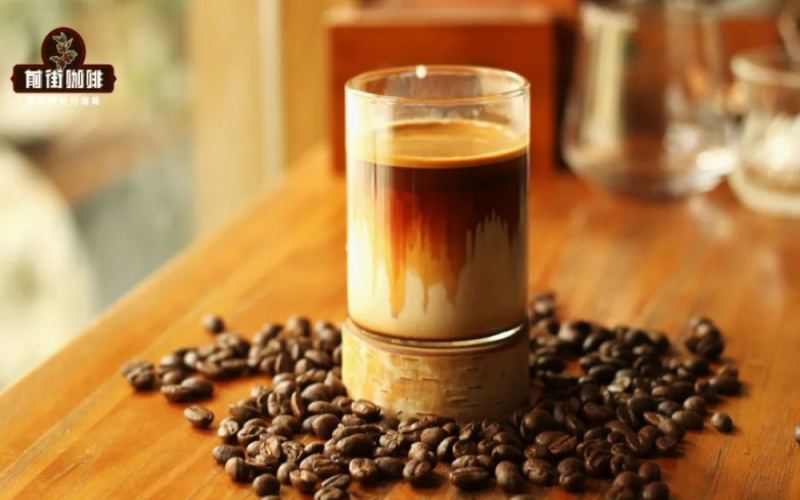
Dirty is often mistaken for an iced latte, but in fact it differs in cup size, layering, and drinking rhythm. It relies on the layers of espresso and cold milk to create an alternating hot-and-cold mouthfeel, but precisely because of this it is extremely fragile—after ten minutes it has lost all visual appeal, and after twenty minutes it is almost indistinguishable from milk tea. For this very reason, Dirty cannot withstand the bumps of delivery the way a latte can. This article will break down, one by one, from production details and flavor changes to real delivery tests, why this cup of coffee must be made and drunk on the spot, and how it differs in essence from ordinary milk coffee. [more…]